
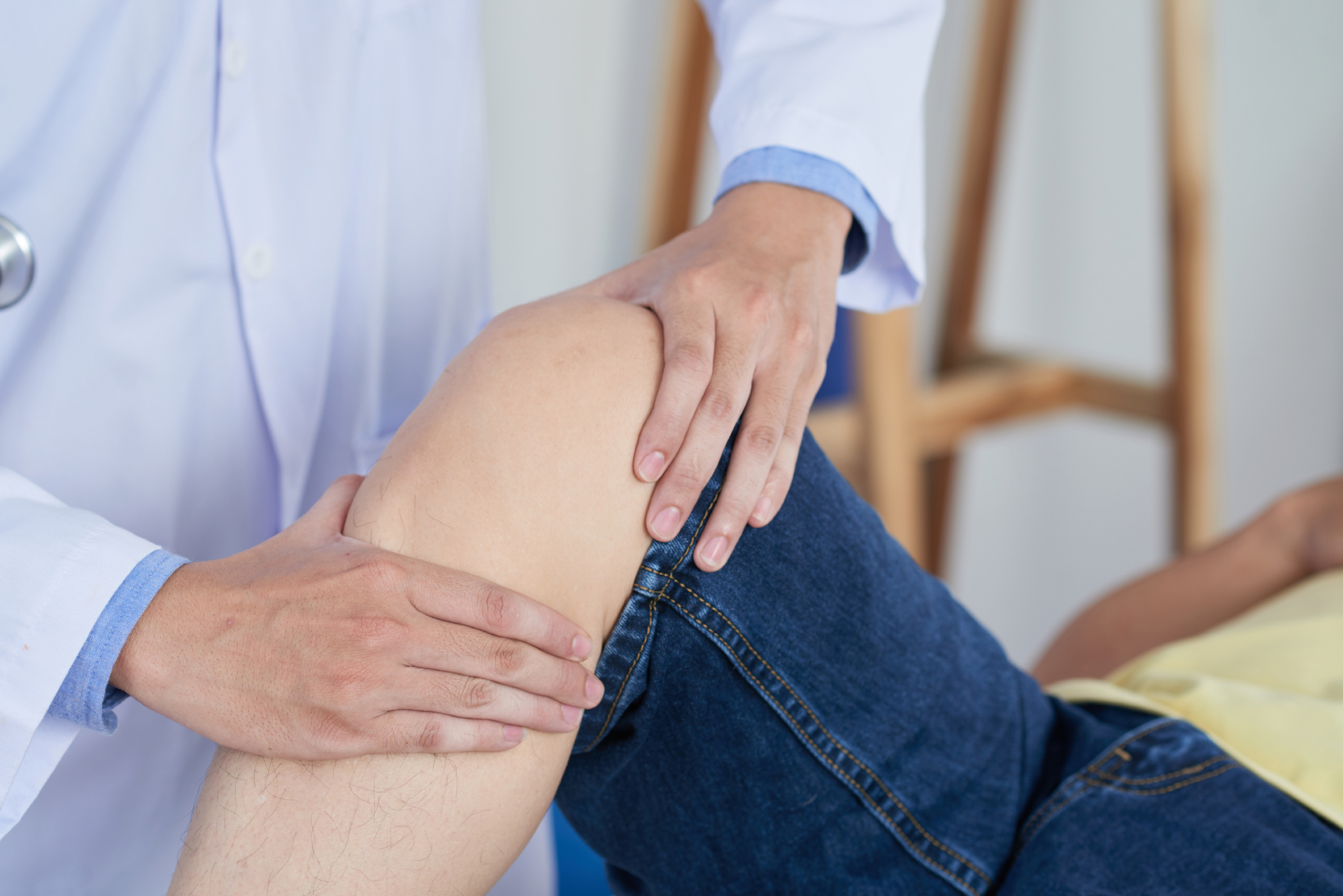
Knee pain can be one of the most frustrating setbacks for active adults, especially when it starts interfering with the activities that keep you feeling healthy, strong, and energized. Whether it’s running along the coast, cycling, playing tennis or golf, or simply staying consistent with your workouts, a knee injury can quickly take you out of your routine.
One of the most common culprits behind persistent knee pain is a meniscus tear. And for years, many patients were told the same thing: surgery was the only real solution.
Today, that mindset is changing.
With advancements in non-surgical orthopedics and regenerative medicine, many meniscus injuries can now be treated without going under the knife. These modern approaches focus on reducing inflammation, supporting tissue healing, and restoring joint function, helping patients stay active while avoiding the downtime, risks, and long recovery associated with surgery.
At The How Clinic in Encinitas, we work with active adults every day who want more than a temporary fix. They want to move better, protect their joints long-term, and continue doing what they love without unnecessary procedures. If you’ve been diagnosed with a meniscus tear, or even if you’re just starting to notice ongoing knee discomfort, understanding your non-surgical options is the first step toward a smarter, more effective recovery.
Understanding the Meniscus and How Tears Occur
The meniscus is a crescent-shaped piece of cartilage in the knee that acts as a cushion between the thigh bone (femur) and shin bone (tibia). Each knee has two menisci that help absorb shock, stabilize the joint, and distribute weight during movement.
Meniscus tears can occur in several ways. Some happen suddenly during sports or exercise that involves twisting, pivoting, or sudden changes in direction. Others develop gradually as cartilage becomes worn over time.
Active adults commonly experience meniscus injuries during activities such as:
- Running or trail running
- Tennis or pickleball
- Skiing or snowboarding
- Basketball or soccer
- Weightlifting
- Golf
Symptoms often include:
- Knee pain along the joint line
- Swelling or stiffness
- Clicking or catching in the knee
- Limited range of motion
- Difficulty squatting or twisting
Not every meniscus tear requires surgery. In fact, many patients can recover successfully with conservative and regenerative treatments.
Why Surgery Is Not Always Necessary
For many years, arthroscopic surgery was commonly recommended for meniscus tears. While surgery may be necessary in certain cases, such as severe structural damage or joint locking, research has shown that many patients improve with non-surgical treatment.
Active adults often benefit from conservative care that focuses on:
- Reducing inflammation
- Improving joint stability
- Supporting the body’s natural healing processes
- Restoring strength and mobility
Because the meniscus has a limited blood supply, healing can be slow. However, regenerative medicine techniques are designed to stimulate repair and reduce inflammation within the joint.
For many patients, this approach allows them to return to their favorite activities while avoiding the downtime and risks associated with surgery.
Non-Surgical Treatment Options for Meniscus Tears
At The How Clinic, we take a personalized approach to meniscus injuries because no two patients, or knees, are exactly the same. Your treatment plan is based on the severity of your injury, your activity level, and your long-term goals. Whether you’re trying to return to sports, stay active without pain, or avoid surgery altogether, our focus is on helping you recover in a way that supports both short-term relief and long-term joint health.
Targeted Rehabilitation and Movement Therapy
One of the most important aspects of healing a meniscus tear is restoring strength and stability around the knee. Targeted rehabilitation focuses on strengthening the quadriceps, hamstrings, hips, and glutes while improving overall movement mechanics. When these supporting muscles are functioning properly, they reduce unnecessary stress on the knee joint and help improve stability during activity. Many patients notice meaningful pain relief and improved function once these imbalances are corrected, allowing them to gradually return to the activities they enjoy with more confidence.
Platelet-Rich Plasma (PRP) Therapy
Platelet-rich plasma (PRP) therapy is one of the most effective regenerative options for supporting knee healing. PRP uses a concentrated portion of your own blood, rich in platelets and growth factors, to stimulate tissue repair directly at the site of injury. Instead of simply masking pain, PRP works to reduce inflammation and promote healing within the joint environment. For active individuals, this can be a powerful tool to improve function, support recovery, and help maintain long-term joint health without the need for more invasive procedures.
Regenerative Orthopedic Injections
In addition to PRP, other regenerative orthopedic injections may be recommended depending on your specific condition. These treatments are designed to improve the joint environment, stimulate cellular repair, and address the underlying causes of pain. By targeting the injured tissue directly, regenerative therapies focus on healing rather than temporary symptom relief. For many patients with mild to moderate meniscus tears, this approach can significantly improve knee function and reduce the likelihood of needing surgical intervention.
Anti-Inflammatory and Joint Support Strategies
Inflammation plays a major role in both pain and delayed healing after a meniscus injury. That’s why we also focus on supporting your recovery outside of the treatment room. This may include guidance on nutrition, activity modification, and lifestyle habits that reduce inflammation and promote joint health. Factors like sleep quality, recovery routines, and daily movement patterns can all influence how well your knee heals. When these elements are aligned, they create a stronger foundation for recovery and help you return to activity with less pain and greater stability.
Staying Active During Recovery
One of the biggest fears active adults have after a knee injury is losing momentum, whether that’s fitness, strength, or the routines that keep them feeling their best. The good news is that healing a meniscus tear doesn’t mean you have to stop moving altogether. In fact, staying active in the right way is often an important part of recovery.
With proper guidance, many patients can continue exercising while protecting the knee and supporting the healing process. Low-impact activities like swimming, cycling, elliptical training, and controlled strength work allow you to maintain cardiovascular fitness and muscle strength without placing excessive stress on the joint. This not only helps you stay in shape, but also promotes circulation and joint support, both of which are important for recovery.
The key is knowing how to adjust your activity, not eliminate it. Pushing too hard or returning to high-impact sports too quickly can aggravate the injury and set you back. On the other hand, a structured and progressive plan allows you to build back strength and stability safely over time.
At The How Clinic, we guide patients through this process so they can stay active, protect their knees, and return to full activity with confidence, without feeling like they’ve lost months of progress.
When to Seek Evaluation for Knee Pain
Chronic knee pain should never be ignored, especially for active individuals who rely on joint health to maintain their lifestyle.
You may benefit from a professional evaluation if you experience:
- Knee pain lasting longer than several weeks
- Swelling that returns with activity
- Knee instability or weakness
- Difficulty bending or straightening the knee
- Pain that interferes with exercise or daily movement
Early evaluation allows for more treatment options and can prevent minor injuries from becoming more serious.
Supporting Long-Term Knee Health
Preventing future knee problems is just as important as treating the current injury.
Long-term joint protection strategies often include:
- Maintaining strong leg and core muscles
- Using proper form during sports and exercise
- Gradually increasing training intensity
- Addressing mobility limitations
- Supporting recovery between workouts
Many active adults benefit from periodic check-ins with a provider who understands sports injuries and regenerative orthopedic care.
A Personalized Approach to Meniscus Injury Treatment
Every meniscus tear is different. Factors such as the size of the tear, the patient’s age, activity level, and overall joint health all influence the best treatment approach.
At The How Clinic, we specialize in non-surgical orthopedic and regenerative treatments designed to help patients recover while protecting long-term joint function.
Our goal is not only to reduce pain, but also to help patients maintain an active lifestyle and avoid unnecessary procedures whenever possible.
Take the First Step Toward Healing Your Knee Without Surgery
If knee pain from a meniscus injury is limiting your workouts, slowing you down, or forcing you to modify the activities you enjoy, it’s important to know you may have more options than you’ve been told. Surgery is not always the first or only solution.
At The How Clinic, we specialize in advanced non-surgical pain relief treatments designed to address the root cause of knee pain, not just temporarily relieve symptoms. Our goal is to help you reduce inflammation, support tissue healing, and restore joint function so you can stay active without unnecessary downtime or invasive procedures.
Every knee injury is different, which is why we take a personalized approach to care. We evaluate how your knee moves, identify underlying imbalances or damage, and build a treatment plan tailored to your lifestyle, whether that means getting back to sports, staying consistent with your workouts, or simply moving through your day without discomfort.
If you’ve been told surgery is your only option, or you’re not ready to take that step, it’s worth exploring what regenerative and non-surgical care can offer.
Schedule a consultation with The How Clinic today to find out which treatment options are right for you. With the right plan, you can move with more confidence, protect your long-term joint health, and get back to doing what you love, without surgery.
Call us at 877.381.4115 or visit www.TheHowClinic.com to learn more
