
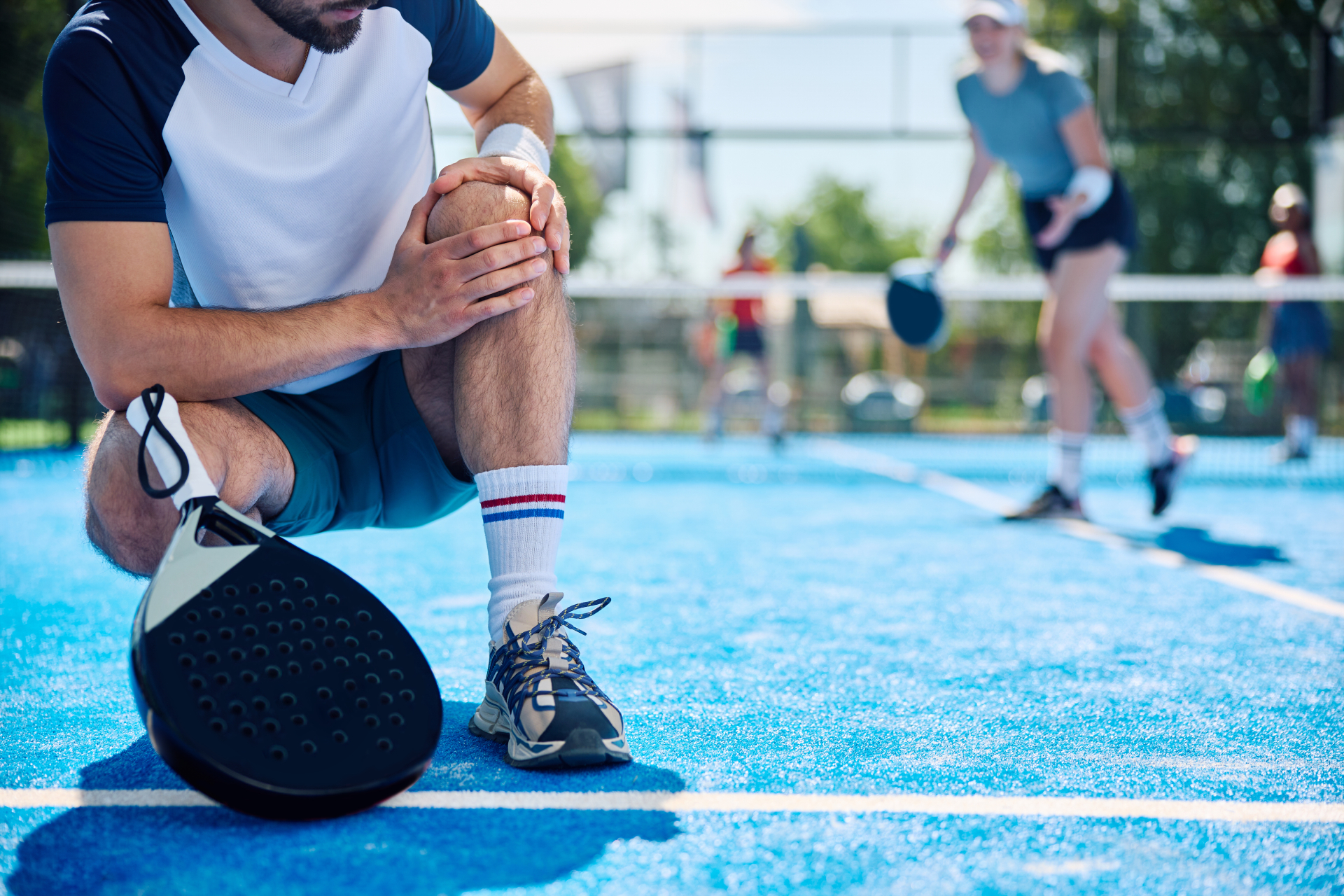
Pickleball isn’t just popular in North County, it’s everywhere.
Drive past Bobby Riggs Racket Club on any given morning and you’ll see packed courts. Walk near Moonlight Beach and you’ll hear the unmistakable pop of paddles well before you reach the sand. What used to be a casual backyard pastime has transformed into a full-fledged competitive sport, drawing in former tennis players, active retirees, weekend warriors, and professionals squeezing in games before work.
But here’s what many players don’t expect: pickleball is demanding.
The quick lateral shuffles. The explosive starts and stops. The repetitive wrist flicks. The sudden lunges for a low return. What looks low-impact can place serious stress on elbows, knees, and shoulders, especially for adults who jump in enthusiastically without sport-specific conditioning.
At The How Clinic in Encinitas, we’ve seen a noticeable surge in pickleball-related injuries over the last few years. Many of these patients never identified as “athletes” before pickleball became part of their routine. Now they play multiple times a week and their joints are feeling it.
The encouraging part?
Most pickleball injuries do not require surgery.
With proper evaluation and targeted non-surgical sports medicine, including regenerative treatments like PRP and joint-support therapies, many players can reduce pain, restore function, and safely return to the court without long recovery periods or invasive procedures.
Why Pickleball Injuries Are on the Rise
Pickleball looks deceptively simple. The court is smaller than tennis, the paddle is lightweight, and the game feels low-impact, especially compared to high-contact sports.
But that’s exactly where the trouble begins.
Many players jump in without proper conditioning, warm-ups, or technique training. Repetitive motions, quick lateral movements, and sudden starts and stops place significant stress on joints and soft tissue, particularly for adults who may already have underlying wear and tear.
Common risk factors include:
- Playing multiple days in a row without adequate recovery
- Poor footwear or court surfaces
- Limited flexibility or strength in stabilizing muscles
- Prior joint injuries or arthritis
Over time, these factors can turn a fun workout into chronic pain.
Pickleball Elbow: More Than Just “Tennis Elbow”
One of the most frequent complaints we see is pickleball elbow, a form of lateral epicondylitis similar to tennis elbow.
Symptoms often include:
- Pain on the outside of the elbow
- Weak grip strength
- Discomfort when lifting, shaking hands, or swinging the paddle
The repetitive wrist flicking and gripping required in pickleball can overload the tendons around the elbow, especially when technique or paddle grip size is off.
Non-Surgical Treatment Options
Rather than relying on rest alone or cortisone injections, non-surgical regenerative therapies can help address the root cause:
- PRP (Platelet-Rich Plasma) therapy to stimulate tendon healing
- Prolotherapy to strengthen weakened connective tissue
- Targeted physical medicine to restore proper movement patterns
These treatments promote healing without damaging tissue, helping players return to play stronger, not just pain-free.
Knee Pain on the Pickleball Court
Quick pivots, lunges, and sudden stops make the knees particularly vulnerable during pickleball. Players often come in with medial knee pain, meniscus irritation, or patellar tendon strain, sometimes after just one awkward movement.
For others, pickleball exposes underlying issues like early arthritis or previous ligament injuries.
Common knee complaints include:
- Pain when squatting or climbing stairs
- Swelling after games
- Instability or stiffness during lateral movement
Why Surgery Isn’t Always the Answer
Many knee injuries can be managed without surgery, especially when cartilage and ligaments still have healing potential.
At The How Clinic, non-surgical options may include:
- Regenerative injections to support joint cartilage and ligaments
- Advanced joint stabilization therapies
- Customized rehab plans focused on strength and mobility
These approaches aim to preserve your natural joint structure while reducing inflammation and improving function, key for staying active long-term.
Shoulder Injuries: Overhead Shots Take a Toll
While pickleball doesn’t involve constant overhead serves like tennis, repeated reaching and quick arm movements can strain the shoulder over time.
We commonly see:
- Rotator cuff irritation
- Shoulder impingement
- Tendon inflammation or microtears
Pain may start as a mild ache after games and gradually progress to difficulty lifting the arm or sleeping on one side.
Non-Surgical Shoulder Recovery
Instead of jumping straight to imaging and surgical referrals, many shoulder injuries respond well to conservative, regenerative care.
Treatment options may include:
- PRP injections to support tendon repair
- Joint stabilization techniques
- Mobility-focused rehab to restore proper mechanics
Addressing shoulder injuries early can prevent chronic degeneration and reduce the likelihood of needing surgery down the road.
Why Non-Surgical Sports Medicine Makes Sense for Pickleball Players
Non-surgical sports medicine focuses on:
- Healing damaged tissue instead of masking pain
- Preserving joint integrity
- Reducing downtime and recovery setbacks
Unlike temporary fixes, regenerative treatments work with the body’s natural healing processes, making them ideal for active adults who want sustainable results.
At The How Clinic, every treatment plan is tailored, not one-size-fits-all. We look at how you move, how you play, and what your long-term goals are, whether that’s weekend matches at Moonlight Beach or league play at Bobby Riggs.
Preventing Pickleball Injuries Before They Start
If elbow, knee, or shoulder pain is starting to limit your game, it doesn’t automatically mean you need to stop playing or start planning for surgery.
Many pickleball injuries are rooted in inflammation, tendon overload, joint irritation, or early degeneration. When addressed early and properly, these conditions often respond extremely well to non-surgical sports medicine and regenerative therapies designed to support healing rather than simply masking pain.
At The How Clinic, we work with active adults throughout Encinitas and North County who want real solutions, not temporary fixes and not months on the sidelines. Our approach focuses on:
- Identifying the true source of pain
- Preserving your natural joint structures
- Supporting tissue repair and stability
- Reducing inflammation without overreliance on cortisone
- Creating a recovery plan that fits your level of play
Whether you’re playing competitive matches at Bobby Riggs, meeting friends for early morning games near Moonlight Beach, or squeezing in weekend tournaments, your goal isn’t just pain relief, it’s staying active long term.
Surgery has its place. But for many pickleball players, it’s not the first or only option.
If pain has been lingering, returning after games, or gradually worsening, now is the time to address it before it becomes something more serious. Early intervention can prevent chronic damage and keep you confidently moving on the court.
Schedule a sports injury consultation at The How Clinic in Encinitas today.
Let’s evaluate your injury, explore non-surgical pain relief solutions, and help you get back to playing strong without unnecessary downtime.
Schedule an appointment today. Call us at 877.381.4115 or visit www.TheHowClinic.com to learn more.
